Our Specialized Speech & Language Services
We offer a comprehensive range of therapy services designed to empower our clients. We stay current with the latest research to provide:

Articulation Therapy
Perfecting sounds and clarity.
Language Intervention
Building strong communication foundations.
Fluency & Voice
Enhancing the quality and flow of speech.
Swallowing Disorders
Expert care for safe and effective swallowing.
Stroke Rehabilitation
Exciting new services are coming soon to bring our therapy to your screen!
Virtual Consultations
Duration: 20–30 minutes
Fee: $25, due at the time of registration to secure your appointment.
Online Parent Consultation via Zoom
Our licensed speech-language pathologist (SLP) will meet with you to discuss your child’s unique needs and provide tailored recommendations.
Recommendations may include referrals for services at Speech Empowerment. If we do not offer the services required, we will gladly connect you with other trusted local resources.
Your child is not required to attend, though they are always welcome to join.
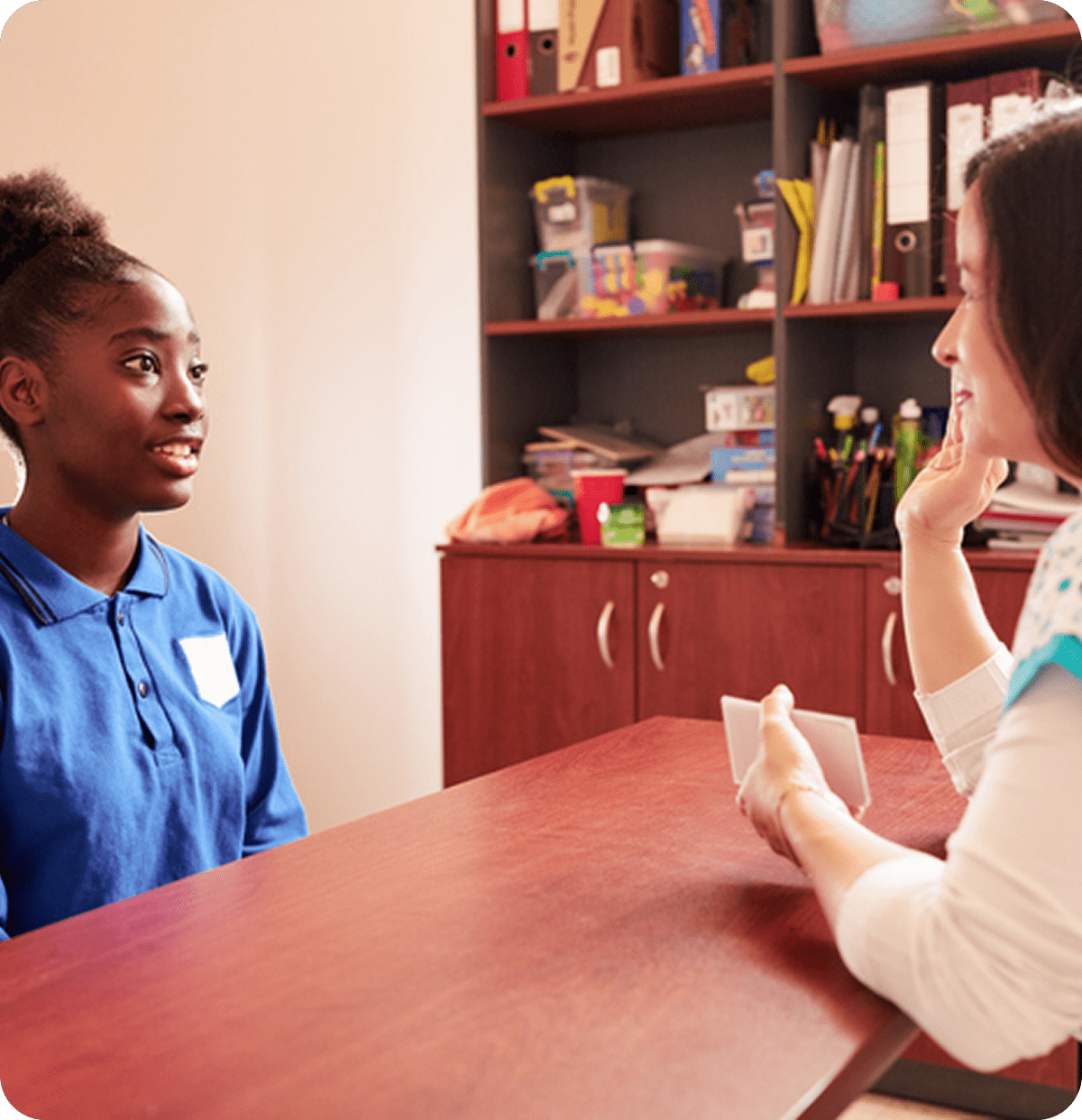
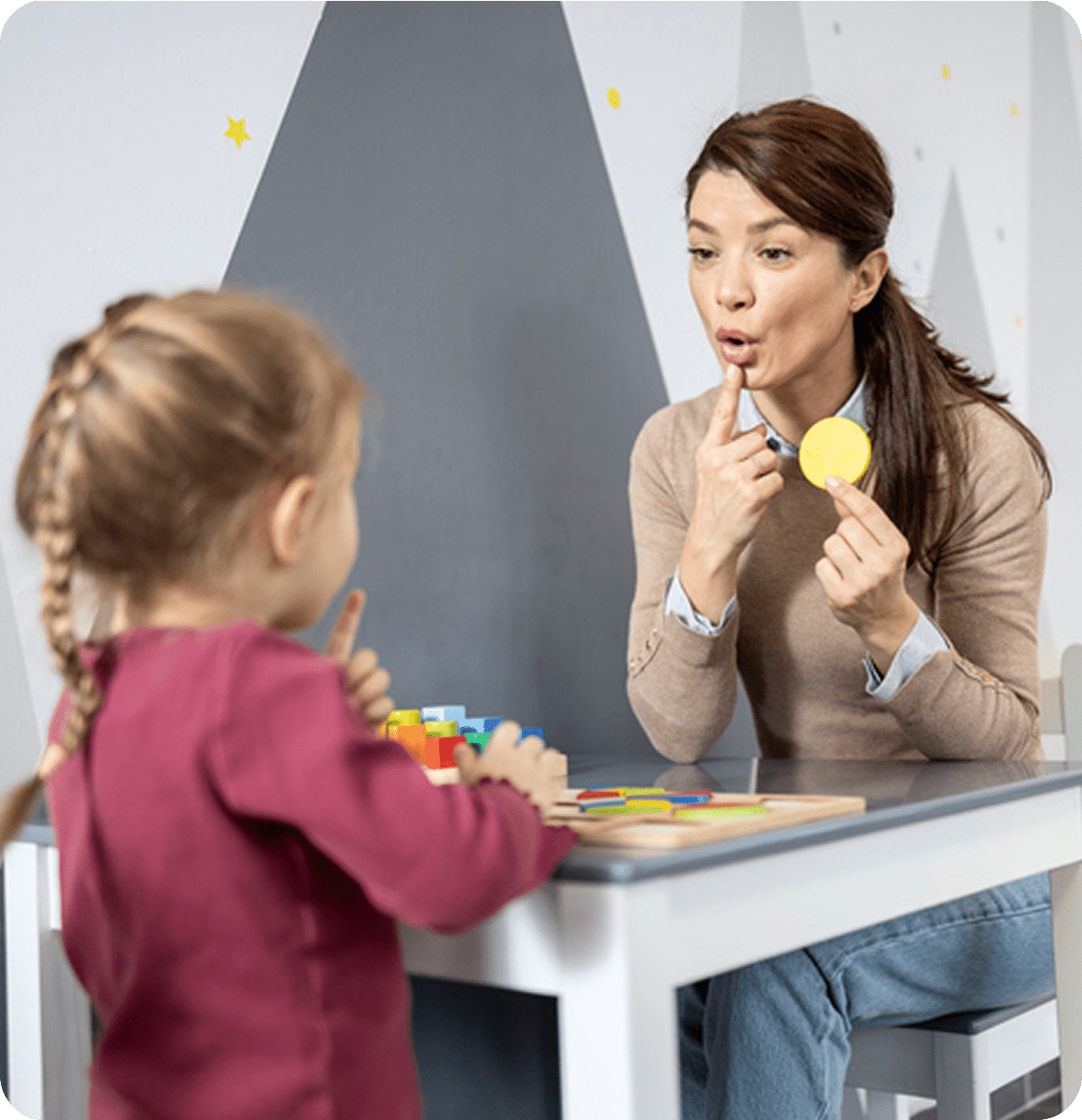
Pediatric Speech-Language Therapy
What Is Pediatric Speech-Language Therapy?
Speech-language therapy is a specialized service provided by a licensed Speech-Language Pathologist (SLP). Our SLPs are trained to evaluate, diagnose, and treat a wide range of speech, language, and social communication challenges.
Adult Stroke Rehab
Duration: 20–30 minutes
Fee: $25, due at the time of registration to secure your appointment.
Online Parent Consultation via Zoom
Our licensed speech-language pathologist (SLP) will meet with you to discuss your child’s unique needs and provide tailored recommendations.
Recommendations may include referrals for services at Speech Empowerment. If we do not offer the services required, we will gladly connect you with other trusted local resources.
Your child is not required to attend, though they are always welcome to join.
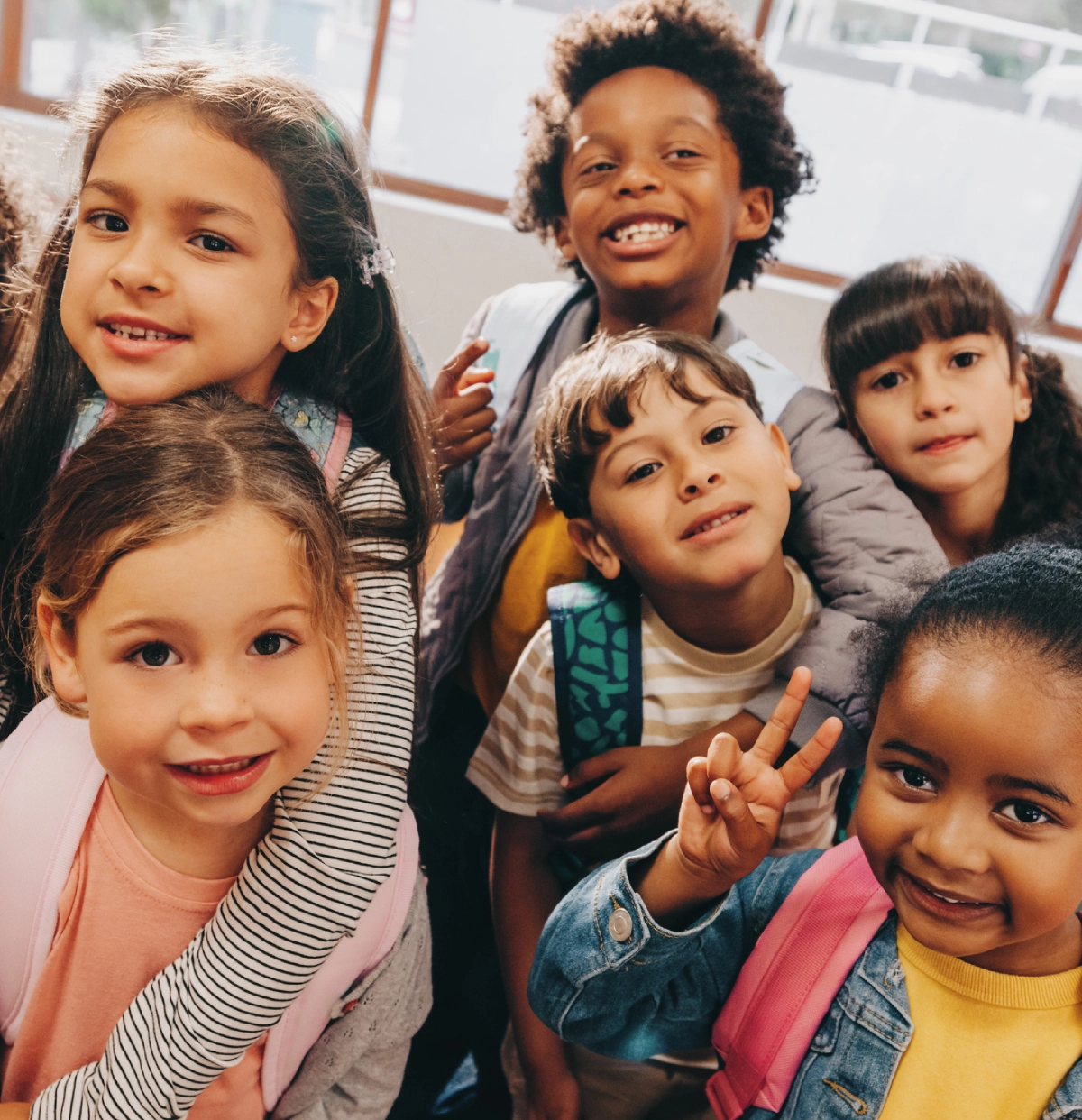
Areas Addressed in Speech-Language Therapy
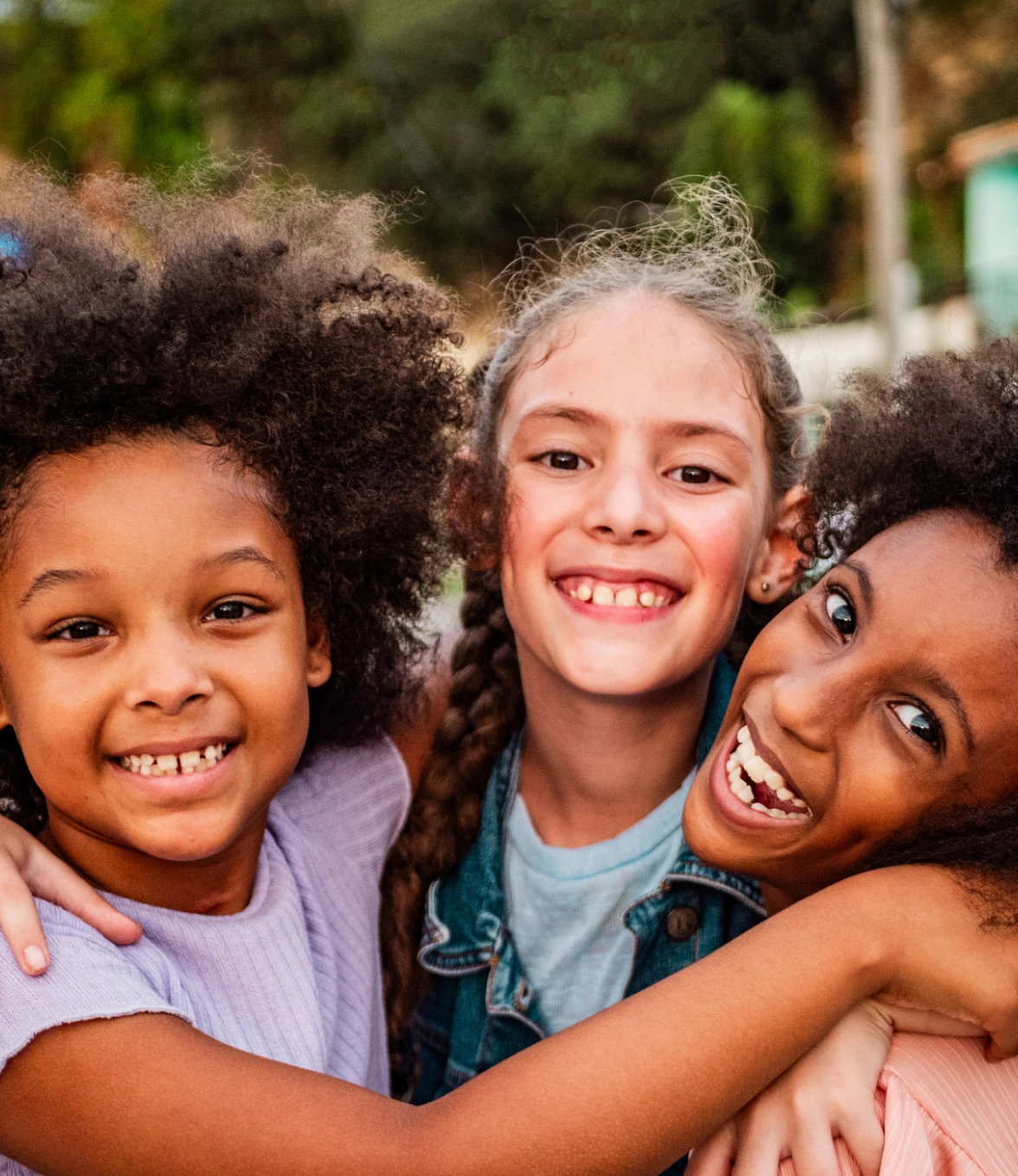
Receptive Language/Comprehension
Understanding spoken or written language.
Expressive Language
Using words, gestures, or written communication to express thoughts, needs, and feelings.
Articulation
Producing clear speech sounds to form words, phrases, and sentences.
Pragmatic Language
Developing social communication skills to interact effectively with others.
Understanding Specific Speech and Language Challenges
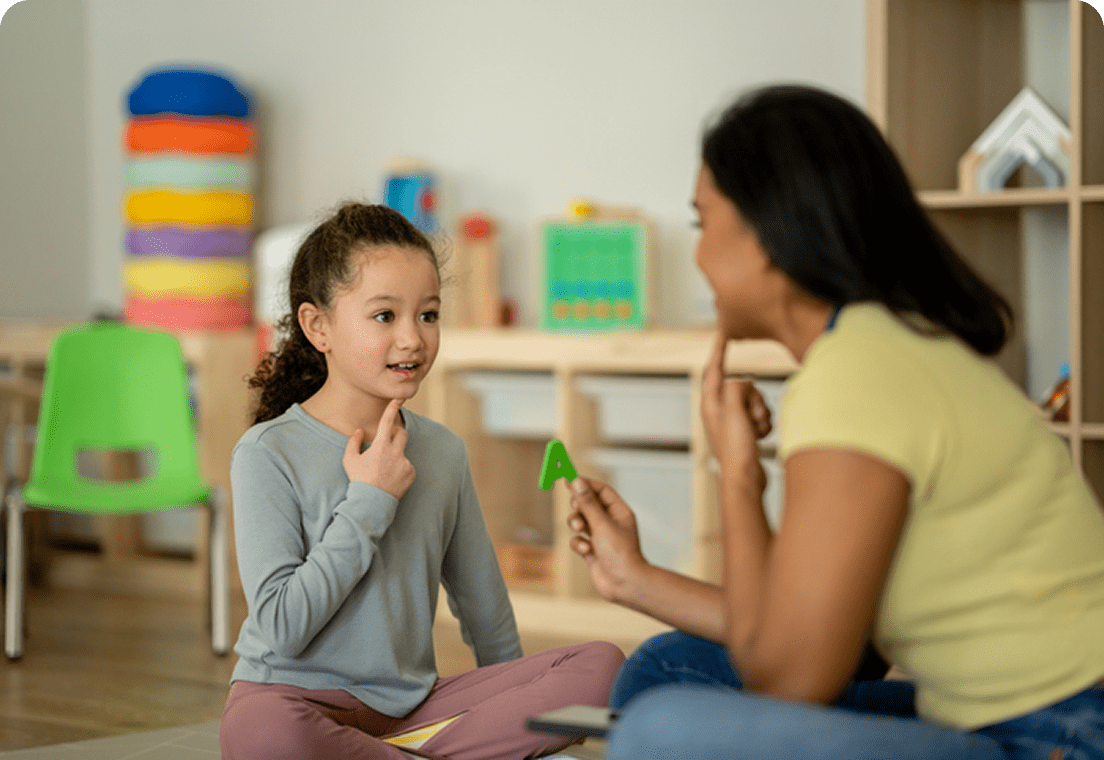
Receptive Language Delays
Receptive language delays affect a child’s ability to understand and process spoken or written language. Children may struggle to follow directions, learn new skills, or respond to questions. These difficulties are often mistaken for inattention or defiance, but they may actually reflect challenges in comprehension.
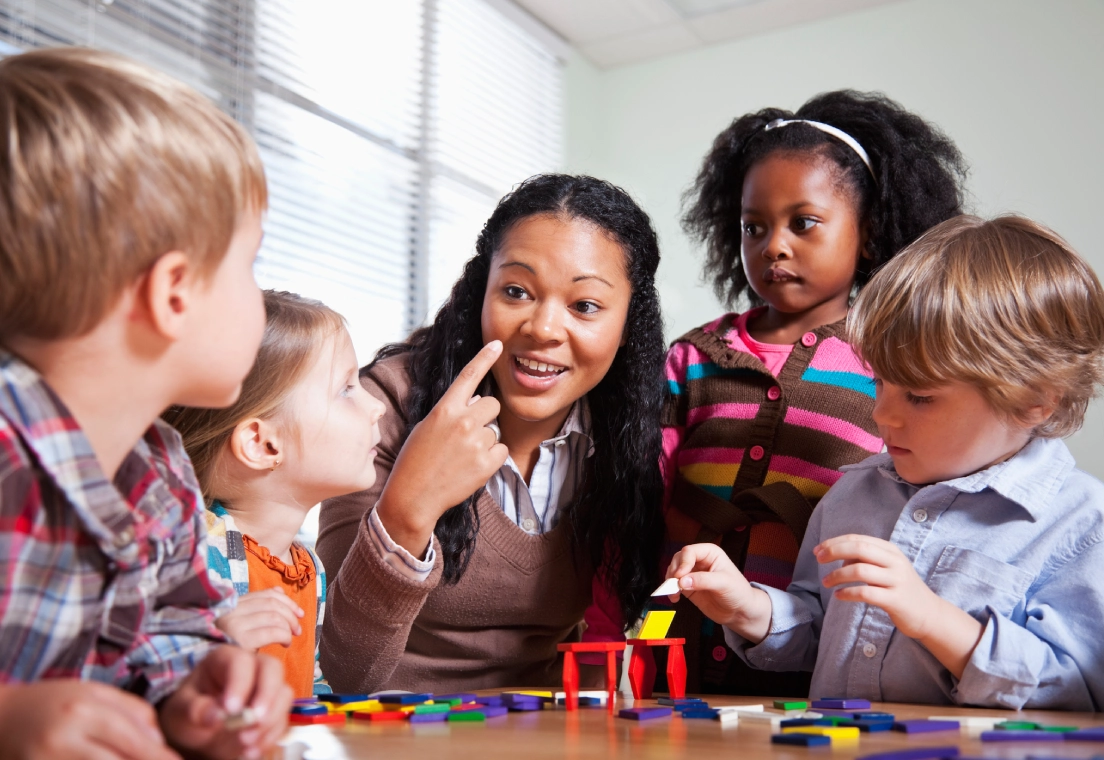
Expressive Language Delays
Expressive language delays involve difficulty producing spoken or written language. Children may have a limited vocabulary, trouble forming sentences, or struggle with word retrieval. This can make it hard for them to express needs, thoughts, and feelings, often leading to frustration despite knowing what they want to communicate.
Speech Sound Disorders
Speech sound disorders occur when a child has difficulty positioning the lips, tongue, teeth, jaw, or palate to produce clear speech. This can result in distortions, substitutions, omissions, or additions that make speech hard to understand.
Common disorders include:
Articulation deficits
Difficulty producing specific sounds
Phonological deficits
Patterns of predictable errors in speech
Apraxia of speech
Challenges with planning and coordinating the movements required for speech
Dysarthria
Weakness in the muscles used for speech
Pragmatic Language Delays
Pragmatic language delays affect the ability to use language appropriately in social settings. Children may struggle with conversational skills, nonverbal cues, understanding figurative language, or maintaining social interactions. These challenges can impact forming friendships and building relationships.
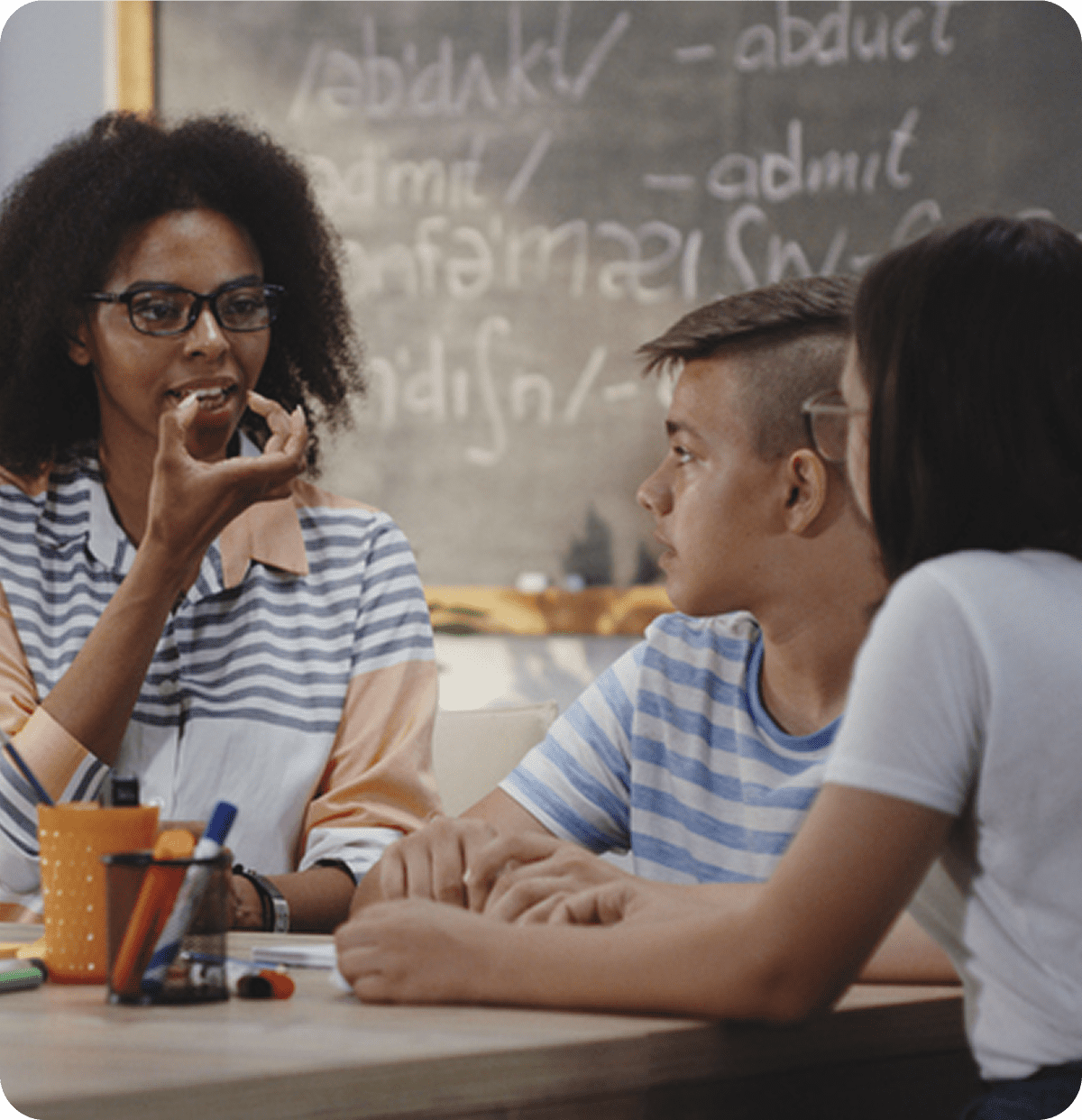
How Speech Therapy Can Help
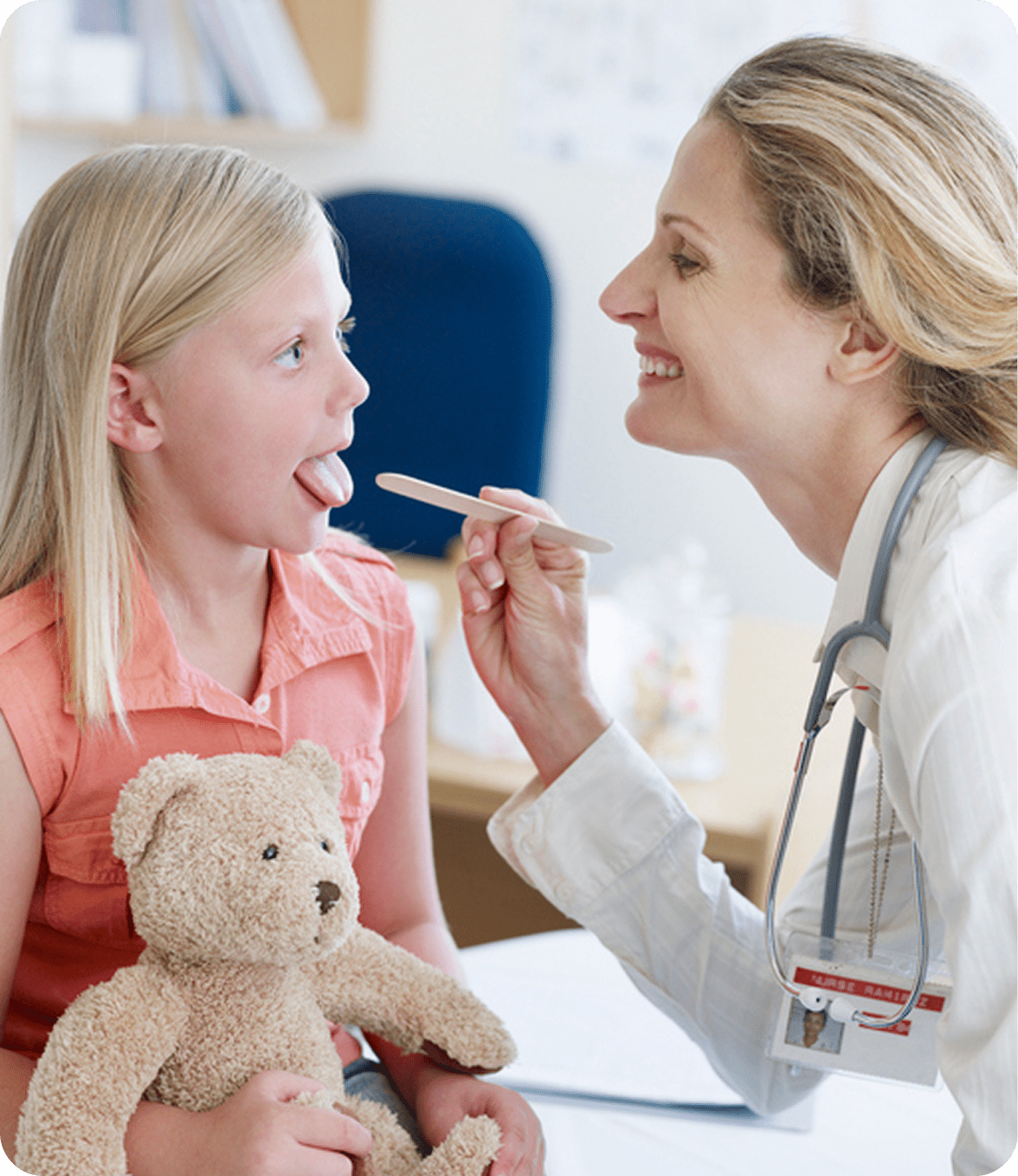
Speech therapy supports children in developing effective communication through multiple modalities, including:
Verbal (vocal-auditory) communication
Signing (visual-gestural) methods
Written communication
Augmentative and Alternative Communication (AAC)
Tools, such as visual boards or speech-generating devices
Our individualized therapy plans aim to improve clarity, comprehension, social interaction, and confidence, empowering children to reach their full communication potential.